(+33) 7 80 85 17 93

Mon - Sat 8.00 - 17.00

7 Allée du Bel Air 78711 Mantes la Ville Paris France

Home Blog

Prince Muloko

0

Prince Muloko : Bâtisseur de l’avenir financier et technologique en Afrique
Est le PDG et fondateur visionnaire de LIPAX, une initiative qui révolutionne l’inclusion financière sur le continent africain. Son parcours a débuté sous la tutelle de Félix Maroy, qui l’a initié à la programmation web. Il a ensuite perfectionné ses compétences en informatique avancée et en programmation embarquée au STES Group à Kigali. Parallèlement, il a enrichi ses connaissances en administration des affaires et en technologie financière grâce à des cours en ligne certifiants, avec une seule mission : transformer les mentalités financières en Afrique.

L’impact de LIPAX et l’engagement pour l’inclusion

Animé par une passion pour l’inclusion financière, Prince Muloko a œuvré pour généraliser les paiements sans contact, notamment en République Démocratique du Congo. Grâce à LIPAX, il a permis à de nombreux jeunes Africains, qui n’ont pas accès aux banques traditionnelles, de posséder des cartes bancaires virtuelles. L’objectif est ambitieux : connecter plus de 5 millions d’entreprises à LIPAX et offrir jusqu’à 50 devises dans 48 pays africains, créant ainsi des retours financiers significatifs pour les partenaires.

Les témoignages de gratitude affluent des villages, illustrant l’impact positif et concret de LIPAX sur le quotidien des communautés.

Une vision qui s’étend à l’IA et l’IoT

Prince Muloko est bien plus qu’un pionnier de la fintech. Il met sa capacité de recherche en Intelligence Artificielle (IA) et en Internet des Objets (IoT) au service d’autres domaines, notamment la médecine. Il est à l’origine de deux projets d’envergure :

Living Tomorrow: Un drone conçu pour le transport médical.
Born to Live : Une couveuse destinée aux nouveau-nés prématurés.

Ce jeune Congolais, fils de Ningejuwa Musongechi et Muloko Kipili, né à Fizi le 27 décembre 1996, continue d’exceller dans ses domaines. Il s’engage à faire de la technologie une force pour le bien, rendant les solutions innovantes accessibles à tous en Afrique.

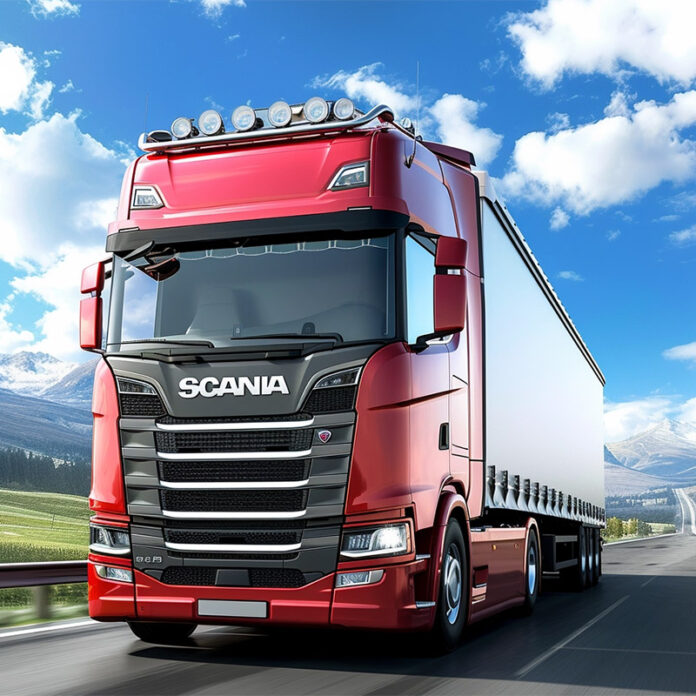
Safety First: How Our Advanced Training Programs Are Setting New Standards

0

The trucking industry stands at the cusp of a revolution, driven by technology, environmental concerns, and evolving business models. As we navigate the road ahead, three key trends are poised to redefine logistics, offering both challenges and opportunities.

Electrification and Sustainability

A significant shift toward sustainability is reshaping the trucking landscape. Electrification of fleets is at the forefront of this change, with companies increasingly investing in electric vehicles (EVs) to reduce carbon footprints and comply with stricter emissions regulations. This move not only supports environmental goals but also promises lower operating costs in the long term. Additionally, the integration of renewable energy sources for charging infrastructure further underscores the industry’s commitment to green logistics.

Autonomous and Connected Technology

Autonomous driving technology is moving from concept to reality, promising to enhance efficiency and safety in trucking operations. While fully autonomous trucks may still be on the horizon, advanced driver-assistance systems (ADAS) are already making roads safer. Connected technology, through the Internet of Things (IoT), enables real-time tracking, route optimization, and predictive maintenance, streamlining operations and reducing downtime. This digital transformation is not just about adopting new technologies but rethinking logistics processes for improved service delivery.

Customization and Customer-Centric Services

The demand for customized and flexible shipping solutions is growing. Customers now expect more than just timely deliveries; they seek personalized service and transparency. This has led to the development of sophisticated logistics software that offers real-time updates, dynamic routing, and tailored services to meet diverse customer needs. As a result, the trucking industry is becoming more agile, responsive, and customer-focused.

These trends indicate a dynamic future for trucking, where innovation drives efficiency, sustainability, and customer satisfaction. Embracing these changes, the industry is set to navigate the challenges of tomorrow, ensuring the smooth movement of goods in an increasingly interconnected world.

From Local to National: Scaling Your Distribution with Strategic Trucking

0

The trucking industry stands at the cusp of a revolution, driven by technology, environmental concerns, and evolving business models. As we navigate the road ahead, three key trends are poised to redefine logistics, offering both challenges and opportunities.

Electrification and Sustainability

A significant shift toward sustainability is reshaping the trucking landscape. Electrification of fleets is at the forefront of this change, with companies increasingly investing in electric vehicles (EVs) to reduce carbon footprints and comply with stricter emissions regulations. This move not only supports environmental goals but also promises lower operating costs in the long term. Additionally, the integration of renewable energy sources for charging infrastructure further underscores the industry’s commitment to green logistics.

Autonomous and Connected Technology

Autonomous driving technology is moving from concept to reality, promising to enhance efficiency and safety in trucking operations. While fully autonomous trucks may still be on the horizon, advanced driver-assistance systems (ADAS) are already making roads safer. Connected technology, through the Internet of Things (IoT), enables real-time tracking, route optimization, and predictive maintenance, streamlining operations and reducing downtime. This digital transformation is not just about adopting new technologies but rethinking logistics processes for improved service delivery.

Customization and Customer-Centric Services

The demand for customized and flexible shipping solutions is growing. Customers now expect more than just timely deliveries; they seek personalized service and transparency. This has led to the development of sophisticated logistics software that offers real-time updates, dynamic routing, and tailored services to meet diverse customer needs. As a result, the trucking industry is becoming more agile, responsive, and customer-focused.

These trends indicate a dynamic future for trucking, where innovation drives efficiency, sustainability, and customer satisfaction. Embracing these changes, the industry is set to navigate the challenges of tomorrow, ensuring the smooth movement of goods in an increasingly interconnected world.

Behind the Scenes: The Technology Driving Today’s Trucking Efficiency

0

The trucking industry stands at the cusp of a revolution, driven by technology, environmental concerns, and evolving business models. As we navigate the road ahead, three key trends are poised to redefine logistics, offering both challenges and opportunities.

Electrification and Sustainability

A significant shift toward sustainability is reshaping the trucking landscape. Electrification of fleets is at the forefront of this change, with companies increasingly investing in electric vehicles (EVs) to reduce carbon footprints and comply with stricter emissions regulations. This move not only supports environmental goals but also promises lower operating costs in the long term. Additionally, the integration of renewable energy sources for charging infrastructure further underscores the industry’s commitment to green logistics.

Autonomous and Connected Technology

Autonomous driving technology is moving from concept to reality, promising to enhance efficiency and safety in trucking operations. While fully autonomous trucks may still be on the horizon, advanced driver-assistance systems (ADAS) are already making roads safer. Connected technology, through the Internet of Things (IoT), enables real-time tracking, route optimization, and predictive maintenance, streamlining operations and reducing downtime. This digital transformation is not just about adopting new technologies but rethinking logistics processes for improved service delivery.

Customization and Customer-Centric Services

The demand for customized and flexible shipping solutions is growing. Customers now expect more than just timely deliveries; they seek personalized service and transparency. This has led to the development of sophisticated logistics software that offers real-time updates, dynamic routing, and tailored services to meet diverse customer needs. As a result, the trucking industry is becoming more agile, responsive, and customer-focused.

These trends indicate a dynamic future for trucking, where innovation drives efficiency, sustainability, and customer satisfaction. Embracing these changes, the industry is set to navigate the challenges of tomorrow, ensuring the smooth movement of goods in an increasingly interconnected world.

The Future of Trucking: Trends Shaping Our Industry in 2024 and Beyond

0

The trucking industry stands at the cusp of a revolution, driven by technology, environmental concerns, and evolving business models. As we navigate the road ahead, three key trends are poised to redefine logistics, offering both challenges and opportunities.

Electrification and Sustainability

A significant shift toward sustainability is reshaping the trucking landscape. Electrification of fleets is at the forefront of this change, with companies increasingly investing in electric vehicles (EVs) to reduce carbon footprints and comply with stricter emissions regulations. This move not only supports environmental goals but also promises lower operating costs in the long term. Additionally, the integration of renewable energy sources for charging infrastructure further underscores the industry’s commitment to green logistics.

Autonomous and Connected Technology

Autonomous driving technology is moving from concept to reality, promising to enhance efficiency and safety in trucking operations. While fully autonomous trucks may still be on the horizon, advanced driver-assistance systems (ADAS) are already making roads safer. Connected technology, through the Internet of Things (IoT), enables real-time tracking, route optimization, and predictive maintenance, streamlining operations and reducing downtime. This digital transformation is not just about adopting new technologies but rethinking logistics processes for improved service delivery.

Customization and Customer-Centric Services

The demand for customized and flexible shipping solutions is growing. Customers now expect more than just timely deliveries; they seek personalized service and transparency. This has led to the development of sophisticated logistics software that offers real-time updates, dynamic routing, and tailored services to meet diverse customer needs. As a result, the trucking industry is becoming more agile, responsive, and customer-focused.

These trends indicate a dynamic future for trucking, where innovation drives efficiency, sustainability, and customer satisfaction. Embracing these changes, the industry is set to navigate the challenges of tomorrow, ensuring the smooth movement of goods in an increasingly interconnected world.

The Ultimate Guide to Choosing the Right Logistics Partner for You

0

The trucking industry stands at the cusp of a revolution, driven by technology, environmental concerns, and evolving business models. As we navigate the road ahead, three key trends are poised to redefine logistics, offering both challenges and opportunities.

Electrification and Sustainability

A significant shift toward sustainability is reshaping the trucking landscape. Electrification of fleets is at the forefront of this change, with companies increasingly investing in electric vehicles (EVs) to reduce carbon footprints and comply with stricter emissions regulations. This move not only supports environmental goals but also promises lower operating costs in the long term. Additionally, the integration of renewable energy sources for charging infrastructure further underscores the industry’s commitment to green logistics.

Autonomous and Connected Technology

Autonomous driving technology is moving from concept to reality, promising to enhance efficiency and safety in trucking operations. While fully autonomous trucks may still be on the horizon, advanced driver-assistance systems (ADAS) are already making roads safer. Connected technology, through the Internet of Things (IoT), enables real-time tracking, route optimization, and predictive maintenance, streamlining operations and reducing downtime. This digital transformation is not just about adopting new technologies but rethinking logistics processes for improved service delivery.

Customization and Customer-Centric Services

The demand for customized and flexible shipping solutions is growing. Customers now expect more than just timely deliveries; they seek personalized service and transparency. This has led to the development of sophisticated logistics software that offers real-time updates, dynamic routing, and tailored services to meet diverse customer needs. As a result, the trucking industry is becoming more agile, responsive, and customer-focused.

These trends indicate a dynamic future for trucking, where innovation drives efficiency, sustainability, and customer satisfaction. Embracing these changes, the industry is set to navigate the challenges of tomorrow, ensuring the smooth movement of goods in an increasingly interconnected world.

Translate »